
What’s the Deal with Creatine?
Creatine is a naturally occurring compound found in our muscles, playing a crucial role in energy production during high-intensity activities. While our bodies produce it, and it’s present in foods like red meat and fish, many turn to supplements to boost their performance.
Creatine at a Glance
| Aspect | Details |
|---|---|
| Primary Function | Enhances energy production in muscles during short bursts of intense activity |
| Common Forms | Creatine Monohydrate (most researched and cost-effective) |
| Typical Dosage | 3 to 5 grams daily; loading phases (20g/day) are common but not always necessary |
| Natural Sources | Red meat, fish, and poultry |
| Potential Benefits | Improved strength, muscle mass, cognitive function, and possibly mood enhancement |
| Possible Side Effects | Water retention, digestive issues, and in rare cases, kidney concerns (consult a doctor) |
| Best For | Athletes, older adults, vegetarians, and those with certain neurological conditions |
Beyond the Biceps: Creatine’s Cognitive Perks
Recent studies suggest that creatine might do more than just pump up your muscles. Research indicates potential benefits in cognitive functions, including memory and attention, especially in older adults and those with neurological conditions.
Proceed with Caution
While creatine is generally safe for adults, it’s essential to:
- Stay Hydrated: Creatine can cause water retention; ensure you’re drinking enough fluids.
- Consult a Professional: Especially if you have kidney issues or other health concerns.
- Be Skeptical of “Dry Scooping”: This trend can lead to choking and isn’t recommended.
Final Thoughts: Should You Give Creatine a Go?
If you’re looking to enhance your workouts, support cognitive health, or combat age-related muscle loss, creatine might be worth considering. However, it’s not a magic powder. Combine it with a balanced diet, regular exercise, and adequate rest for the best results.
Remember, always consult with a healthcare professional before starting any new supplement regimen.
Sources:
- Australian Institute of Sport (Australian Sports Commission), Sports Supplement Framework, “Group A” page (creatine)
- NIH Office of Dietary Supplements, “Dietary Supplements for Exercise and Athletic Performance”
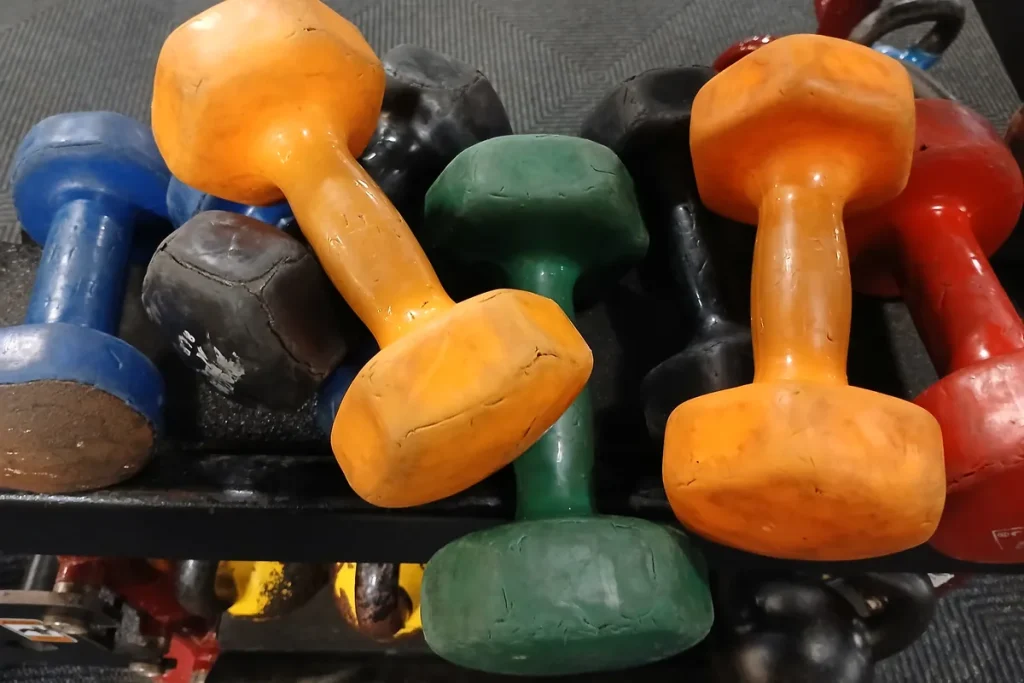
Photo: Ser Amantio di Nicolao, cropped, CC BY-SA 4.0, via Wikimedia Commons.
Illustrative: a rack of well-used dumbbells at a gym.