
Tag Team Trouble: Are Chemists Selling You a Sale That’s Not Real?
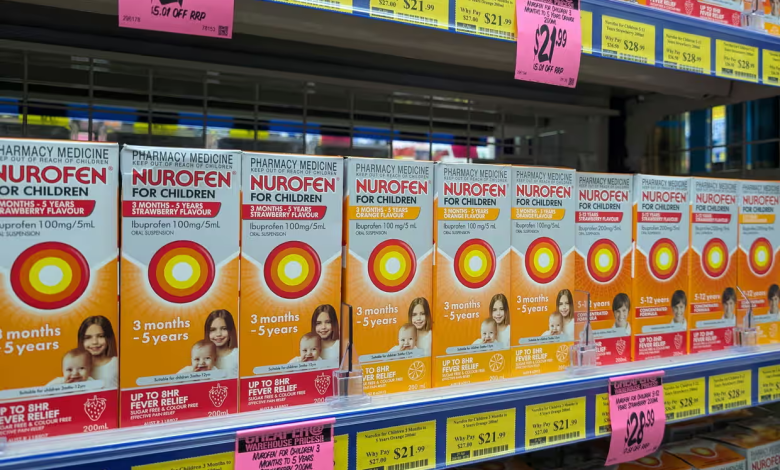
Aussie chemists might need a prescription for honesty after consumer watchdog Choice revealed that colourful shelf tags — the kind that scream “discount” — could actually be hiding full-price items. It’s the kind of revelation that makes you clutch your receipt and wonder if you’ve just paid $11.99 for a tube of toothpaste wearing a party hat.
According to The Guardian, the practice is widespread across major chains like Chemist Warehouse, Terry White, and Priceline. Choice’s senior campaigns adviser Bea Sherwood says the aim seems clear: catch your eye and distract your wallet.
“Walking down the aisles, you’re bombarded by yellow and pink sales tags. Discounts should be clear and transparent, not confusing,” she said.
Price Tag Shenanigans: The Key Stats
| Chain | Example Product | “Discounted” Price | RRP Listed | Actual Price (Elsewhere) | Deception? |
|---|---|---|---|---|---|
| Terry White | Toothpaste | $6.00 | $11.99 | ~$8.99 | Yes |
| Chemist Warehouse | Assorted products | Full price | Tagged “Sale” | Regular price elsewhere | Yes |
| Priceline | “Great Value” tags | No discount stated | Existing price | Still tagged as cheaper | Dubious |
| Consumer survey (n=1000) | Confused by pricing | — | — | 1 in 3 misled | Definitely |
Why It’s a Problem
Jana Bowden, marketing professor at Macquarie Uni, says this is a classic case of psychological pricing trickery:
“Bright sales tags, stickers and promotional flags trick consumers into thinking there’s a sale to be had.”
And when the stakes involve health and medical items, it becomes more than just a cheeky retail move. Clare Mullen from WA’s Health Consumers’ Council puts it bluntly:
“Going into some of these places is a visual assault. When we’re talking about health-related items, it’s just unfair that the onus is on the consumer to put in the extra effort.”
So Is It Legal?
Australia’s consumer law is crystal clear: retailers can’t mislead customers, especially when advertising a “discount” from a price they’ve never actually charged. That’s a big no-no from the Australian Competition and Consumer Commission (ACCC).
Retailer Response?
As of now, none of the big chains have fronted up to explain why they need a rainbow of fake sale signs to sell shampoo. But you can bet the ACCC’s interest is piqued.
Tips for Spotting a Fake Chemist Bargain
- Check unit prices and compare across retailers
- Don’t assume colour = discount
- RRP ≠ regular price – it’s often just a manufacturer suggestion
- Use apps or price trackers to find real-time deals
Bottom Line
Your chemist may not be robbing you blind — but with dodgy price tags dressed up as discounts, it’s more like a magician’s sleight of hand. Don’t fall for the glittery “SALE” sticker. Look closer — it might just be the same price as last week… or higher.