
Aussie Dream, Bureaucratic Nightmare: Sam’s Engineering Detour
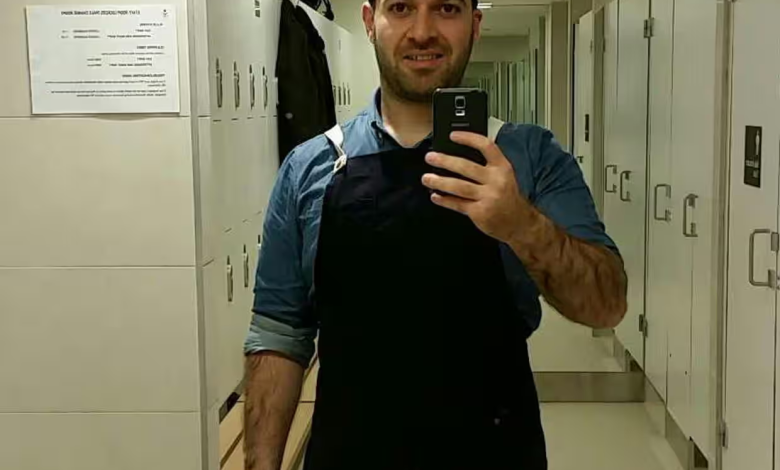
Sam Matti arrived in Australia from Baghdad in 2015, armed with a degree in automation engineering, five languages, and five years of power plant experience — the kind of résumé that’d get you snapped up quicker than a snag at a Bunnings BBQ.
But instead of jumping into Aussie industry, Sam found himself ghosted by job boards.
“I applied for every possible position on Seek,” Sam told The Guardian.
“Most times it was a straight-up rejection — or just silence.”
Until he finally scored an internship two years later, Sam worked gigs as a cleaner, caterer, and aged care worker — a classic case of what experts are calling an “occupational downgrade.”
Table of Downgrade: Migrant Skills in the Aussie Job Market
| Pre-Arrival Roles | Post-Arrival Reality (10 Years On) | % Still in Original Roles |
|---|---|---|
| Women in managerial/professional roles | 67% not in paid work; others mostly in low-wage care/sales roles | 17% |
| Men in managerial/professional roles | Many working as tradespeople, machine operators, drivers | 10% |
| Migrants in ICT, HR, Business, Engineering | Often end up in manual or entry-level roles (cleaning, hospitality) | N/A |
Stats That’ll Make Your Blundstones Curl
- 2,400 humanitarian migrants tracked over 10 years.
- 50% of migrant men with white-collar backgrounds now work blue-collar jobs.
- 67% of skilled migrant women not in paid work after a decade.
- 84% less likely for women with kids under 5 to be employed compared to men.
“They’re not in the labour force, but they want jobs,” said Dr John van Kooy from AIFS.
“They’re hitting a wall of red tape, language gaps, and outdated systems.”
A Billion-Dollar Blunder?
A 2024 report by Settlement Services International (SSI) showed that underemployment of migrants and refugees isn’t just a sad tale — it’s an economic whopper.
- $1 billion+ is the estimated annual benefit Australia could gain if migrant skills were properly utilized.
- Nearly 50% of permanent migrants are working below their skill level.
- Humanitarian entrants are the most underutilized group of all.
What’s Blocking Skilled Migrants?
Here’s the triple-decker bureaucratic brick wall facing refugees like Sam:
1. Recognition Rigmarole
Getting foreign degrees recognised in Australia is harder than finding a meat pie in Manhattan. The process is expensive, inconsistent, and frustrating.
2. Language Loops
Many highly skilled migrants are penalised for less-than-perfect English — even when technical skills are top-notch.
3. Trauma & Displacement
Many arrive with fresh emotional scars from war or persecution, making it tough to navigate new systems while starting over.
Sam’s Happy Ending (Kind Of)
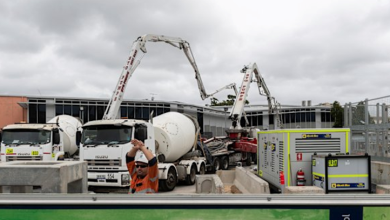
After two years of rejection, Sam finally landed an internship at a major construction company. He now works as an operations manager at Australia Post — proof that just one opportunity can flip a life upside down, in the best way.
“I was given a chance, and I squeezed everything out of it,” Sam said.
“Not just for myself, but for my family and for this country.”
Final Word: We’re Sitting on a Goldmine
Sam’s story isn’t rare — but it’s ridiculous. Australia has thousands of skilled, experienced professionals begging to work, yet we’ve got a system that insists they start from scratch.
As Dr Kooy says, “This is not about capability. It’s about access.”
Want a stronger economy? Stop wasting talent. Want innovation? Give people like Sam a go. We’re not just talking about jobs here — we’re talking about dignity, purpose, and billions in lost potential.