
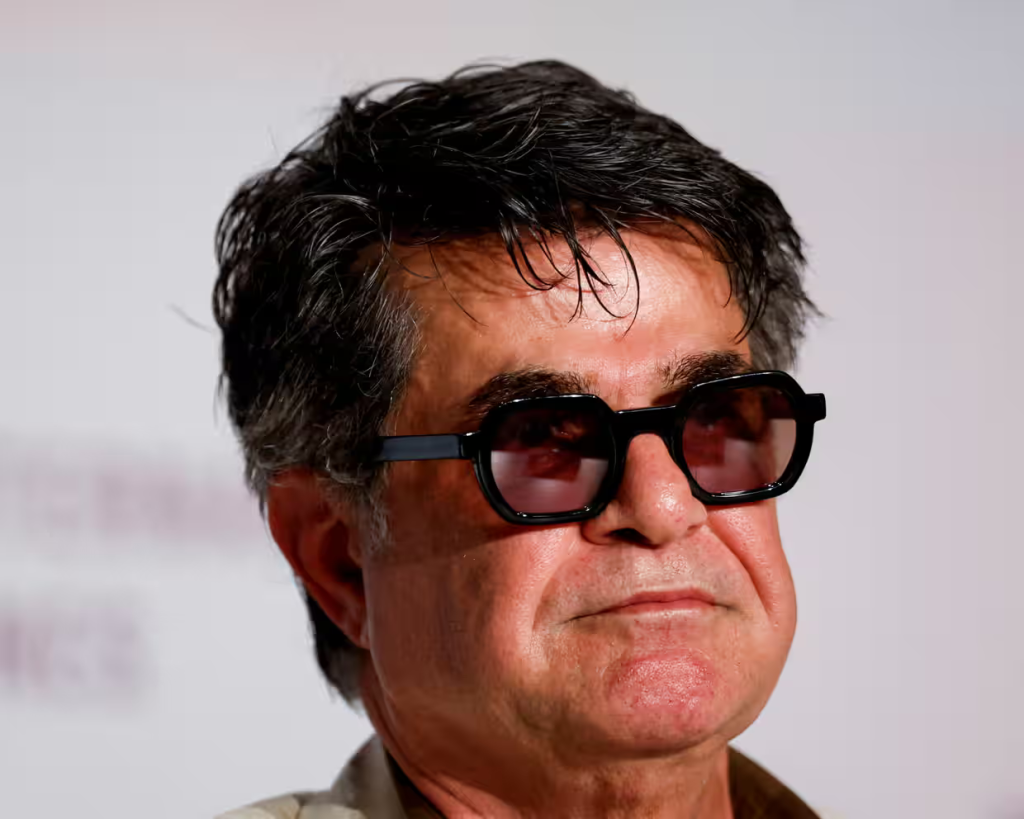
From Cell to Croisette: Panahi’s Comeback Story
Jafar Panahi, the Iranian filmmaker renowned for his defiance against censorship, made a powerful return to the Cannes Film Festival with his latest film, A Simple Accident. This marks his first appearance at Cannes since 2003, following years of imprisonment and a 20-year ban on filmmaking imposed by Iranian authorities.
Panahi’s new film, a co-production between Iran, France, and Luxembourg, delves into the repercussions of a seemingly minor incident that spirals into a harrowing exploration of state oppression and personal trauma.
A Simple Accident: A Synopsis
The narrative follows Eghbal, portrayed by Ebrahim Azizi, who, while driving his family, accidentally hits a dog. This event sets off a chain reaction, leading him into a web of encounters with individuals whose lives have been marred by systemic injustice. The film blends elements of thriller and dark comedy to critique the pervasive corruption and brutality within Iranian society.
Panahi’s Filmography: A Snapshot
| Film Title | Year | Festival Recognition |
|---|---|---|
| The White Balloon | 1995 | Caméra d’Or at Cannes |
| The Circle | 2000 | Golden Lion at Venice |
| Offside | 2006 | Silver Bear at Berlin |
| Taxi | 2015 | Golden Bear at Berlin |
| 3 Faces | 2018 | Best Screenplay at Cannes |
| No Bears | 2022 | Special Jury Prize at Venice |
| A Simple Accident | 2025 | Premiered at Cannes |
Voices from Cannes
Critics have lauded A Simple Accident for its emotional depth and incisive commentary. The Guardian described it as Panahi’s “most emotionally explicit film yet,” highlighting its blend of satire and horror to depict the pain of tyranny coexisting with everyday normality .
At the Cannes premiere, Panahi expressed his commitment to storytelling despite past incarcerations, stating, “I can’t change a lightbulb, I can’t work a screwdriver. I don’t know how to do anything except make films”.
Looking Ahead
Following the festival, Panahi plans to return to Iran to continue his work, undeterred by previous restrictions. His resilience serves as a testament to the power of art in challenging oppression and advocating for change .