
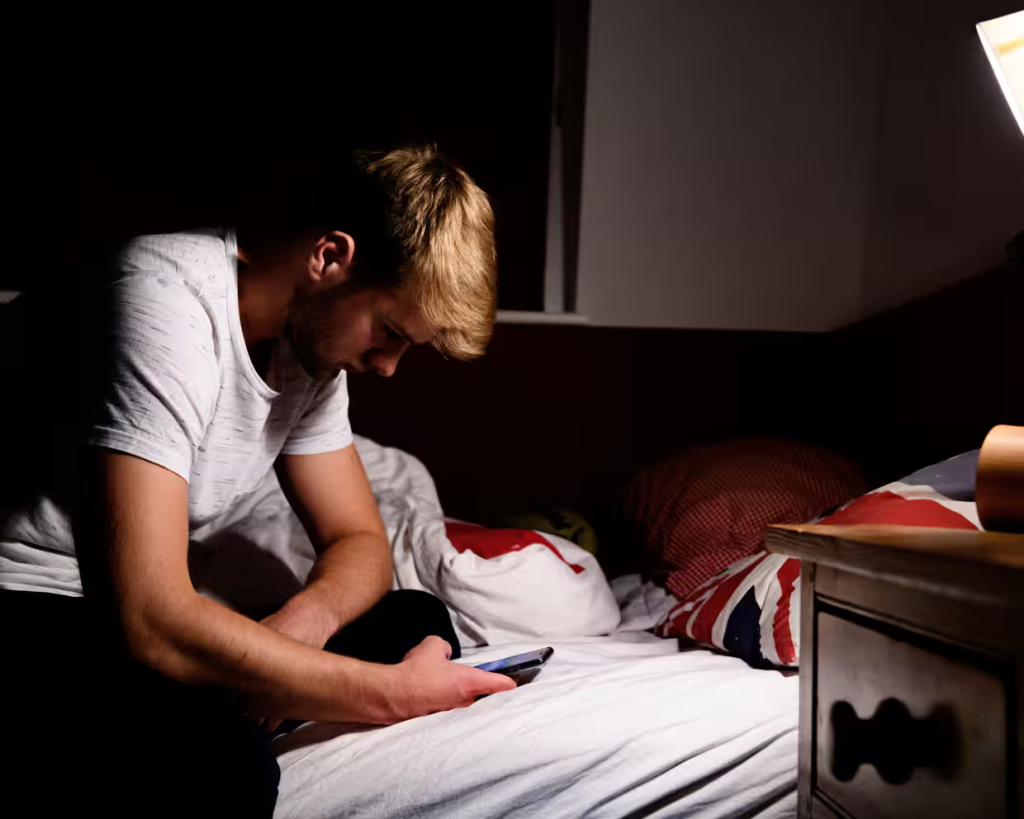
Study Says: “Unplug It, Toss It, Never Look Back”
Turns out the internet might be less of a blessing and more of a bin fire if you ask Gen Z. A new UK study shows that 46% of young people aged 16 to 21 reckon the world would be better off if the internet just quietly packed up and left.
And before you say, “yeah, right”, here’s the kicker: these are the digital natives — the TikTok teens and Instagram influencers-in-training — who basically grew up with Wi-Fi in the womb.
The study, run by the British Standards Institution (BSI), surveyed 1,293 young folk and found widespread digital fatigue, anxiety, and a thirst for a quieter, simpler, less scroll-y life.
Stat Breakdown: What Gen Z Really Thinks About the Internet
| Survey Metric | of Young People (16–21) |
|---|---|
| Prefer a world without the internet | 46% |
| Feel worse about themselves after social media | 70% |
| Support a 10pm “digital curfew” | 50% |
| Have lied about their age online | 42% |
| Use “burner” or decoy accounts | 40% |
| Pretended to be someone else entirely online | 27% |
| Have shared their location with strangers | 27% |
| Say time online hurts their mental health | 68% |
| Spent more time online post-pandemic | 75% |
Burner Accounts & Digital Doppelgängers
In true Gen Z fashion, the art of disguise is alive and well online. More than a quarter admitted to role-playing as entirely different people. And almost half confessed to fibbing about their age — which is either deeply concerning or incredibly efficient if you’re trying to score early access to an R-rated film or a dodgy subreddit.
The digital deception doesn’t stop there: decoy accounts are now practically standard teenage equipment — a “burner” isn’t just for criminals anymore, it’s for anyone with strict parents and a love of memes.
TikTok Timeouts? UK Gov Floats the Idea
UK Technology Secretary Peter Kyle suggested apps like TikTok and Instagram could get a 10pm bedtime — an idea half of the surveyed teens actually support. But critics, like Rani Govender from the NSPCC, say a digital curfew is only half the fix:
“A digital curfew alone isn’t going to protect children. They’ll still cop the harmful stuff during the day,” she warned.
Mental Health Crash
Andy Burrows from the Molly Rose Foundation didn’t mince words. Algorithms, he said, are dragging kids down “rabbit holes of harmful and distressing material” like it’s their job (because technically, it is).
“New laws are urgently needed to put children’s wellbeing ahead of Big Tech’s bottom line,” Burrows argued.
Aussie Translation: Why Should We Care?
While this study focused on UK youth, the trends are global. Aussie teens are equally stuck in the doomscrolling vortex. The underlying message here is universal: screen time’s got a price — and increasingly, the cost is mental health.
Final Thought from Down Under
Look, we love a cheeky meme as much as the next bloke, but if half of the youngest generation is keen to bin the entire internet, maybe it’s time for a national tech detox — or at least an arvo off social media.
So next time your teen says “I hate the internet”, maybe don’t roll your eyes — give ’em a high five and go kick a footy around instead. It’s cheaper than therapy and way better for your soul than doomscrolling.